Accreditation, Certification and Professional Recognition

Confidence built into every AIAA credential

A practical, credible and scalable pathway for recognising capability in responsible AI adoption — focused on the effective use, governance and implementation of AI, not technical model development alone.

The Framework

Capability that employers can understand and trust

AIAA's Accreditation and Certification Framework is designed for executives, professionals, advisers, educators, project leaders and operational teams. AIAA credentials recognise practical AI literacy, responsible-use practices, data and privacy awareness, implementation judgement, governance and risk management, and the ability to translate AI capability into measurable organisational value.

Business-user focused

Built for executives, professionals, advisers, educators, project leaders and operational teams — not model developers alone.

Vendor-neutral

Independent of any platform, product or supplier. Capability is assessed, not tooling preference.

Evidence-based

Recognition rests on demonstrated education, experience and applied judgement — never on attendance.

Responsible and ethical

Grounded in responsible-use practice, data and privacy awareness, governance and risk management.

Accessible across industries

Designed to work for organisations of every size and sector, from SMEs to national institutions.

Continuing competence

Structured to support ongoing professional currency as AI capability and regulation evolve.

Professional Recognition Pathways

Build, demonstrate and advance your AI-adoption capability

Entry pathway
AAIA
Associate

Recognition of foundational knowledge and commitment to responsible AI adoption.

Entry pathway
MAIA
Member

Recognition of relevant education, experience and demonstrated capability in applying AI within an organisational setting.

Advancement only
CAIA
Certified AI Adoption Practitioner

Professional certification based on mapped education, experience evidence, referee validation, an online examination and an Applied AI Adoption Statement.

Advancement only
FAIA
Fellow

Recognition of distinguished leadership, experience and contribution to responsible AI adoption and the profession.

Associate (AAIA) and Member (MAIA) are the entry pathways into the profession. Certified (CAIA) and Fellow (FAIA) are conferred through assessed advancement and cannot be purchased.

The Accreditation and Certification Committee

Global expertise. Practical standards. Trusted recognition.

The integrity of the Framework is safeguarded by the AIAA Accreditation and Certification Committee. Operating under authority delegated by the AIAA Board, the Committee brings together globally recognised AI leaders and highly experienced business and technology executives. This combination of academic authority and practical executive judgement ensures that AIAA's credentials remain rigorous, relevant and responsive to the realities of organisational AI adoption.

The Committee is responsible for
Setting and maintaining the competency framework and eligibility criteria
Overseeing the quality and consistency of assessment and professional recognition
Approving education and experience equivalence decisions
Reviewing complex or borderline accreditation and certification applications
Monitoring assessment outcomes, pass rates and emerging quality issues
Maintaining strong evidence, conflict-management, audit and procedural-fairness requirements
Advising the AIAA Board on material policy and framework improvements
Updating the Framework as AI capabilities, regulation, risk, workforce expectations and organisational needs evolve
Professor Dacheng Tao, Distinguished University Professor at NTU Singapore.

Professor Dacheng Tao

Distinguished University Professor | Nanyang Technological University, Singapore

An internationally recognised authority in artificial intelligence and data science. A Fellow of the Australian Academy of Science, ACM and IEEE, his research spans machine learning, computer vision and foundation models.

Committee contribution: Global research leadership, insight into emerging AI capability and risk, and scientific rigour in AIAA's professional standards.
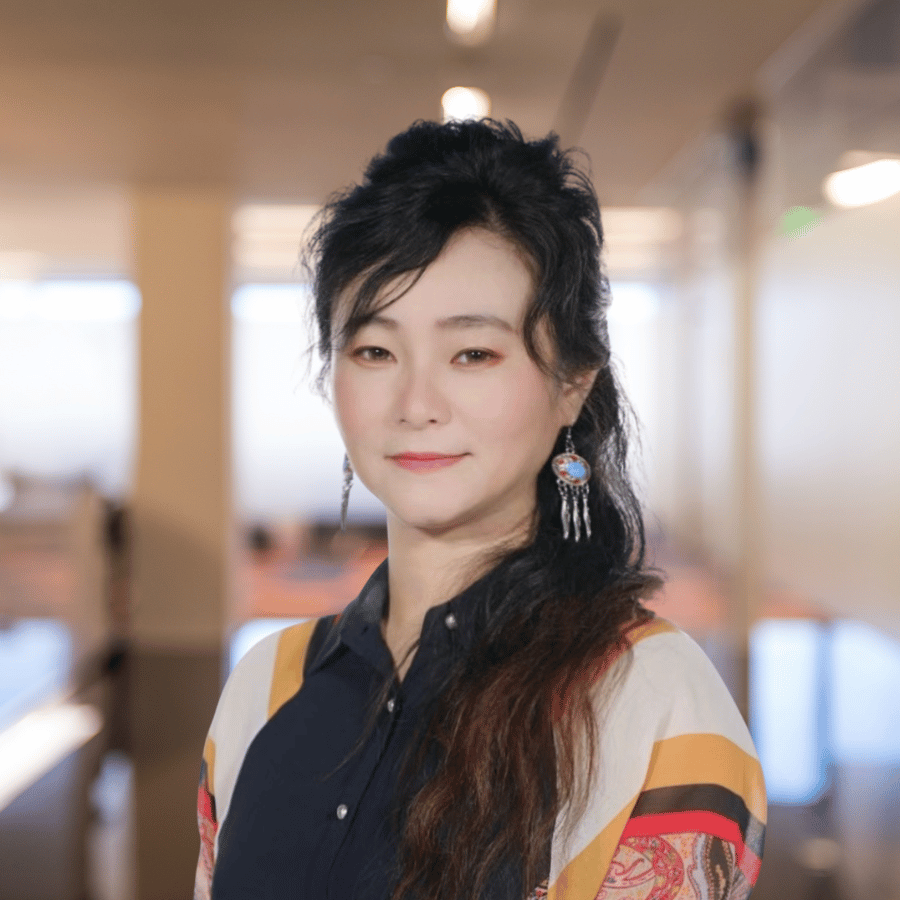
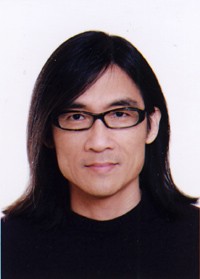
Associate Professor Dr Christy Jie Liang, University of Technology Sydney.

Associate Professor Dr Christy Jie Liang

Associate Professor, School of Computer Science | University of Technology Sydney

Leads the Data Visualisation Research Lab within the UTS Visualisation Institute. Her work in data visualisation and visual analytics has applications across finance, biomedical research, food safety, smart cities and social media.

Committee contribution: Data and visual literacy, standards development, education quality, applied assessment and the communication of complex evidence for business decision-making.

Professor Kwan-Liu Ma, Distinguished Professor of Computer Science at UC Davis.

Professor Kwan-Liu Ma

Distinguished Professor of Computer Science | University of California, Davis

Director of the UC Davis Center for Visualization and Head of VIDI Labs. An ACM and IEEE Fellow, his research spans data visualisation, visual analytics, artificial intelligence, machine learning, human-computer interaction and high-performance computing.

Committee contribution: Data interpretation, explainability and the responsible use of complex information in high-stakes decisions.

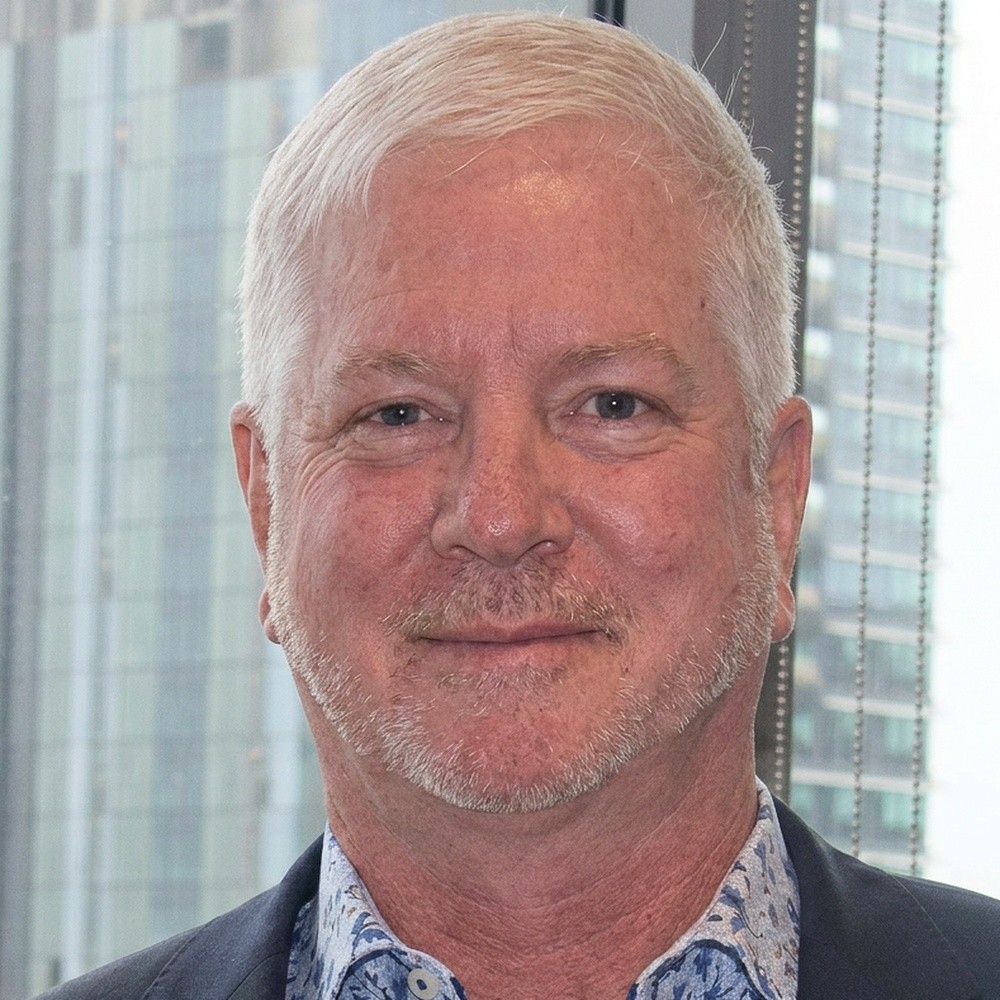
David Waterhouse, AI strategy and technology executive.

David Waterhouse

AI Strategy and Technology Executive | Co-Founder, CybernetX AI / FortifyEdge

More than three decades of experience across space, telecommunications and advanced technology. His work encompasses cognitive and edge AI, human-machine teaming and deployment in safety-critical and operational environments.

Committee contribution: Commercial strategy, use-case selection, human factors, implementation discipline, scalable adoption and practical technology-risk management.

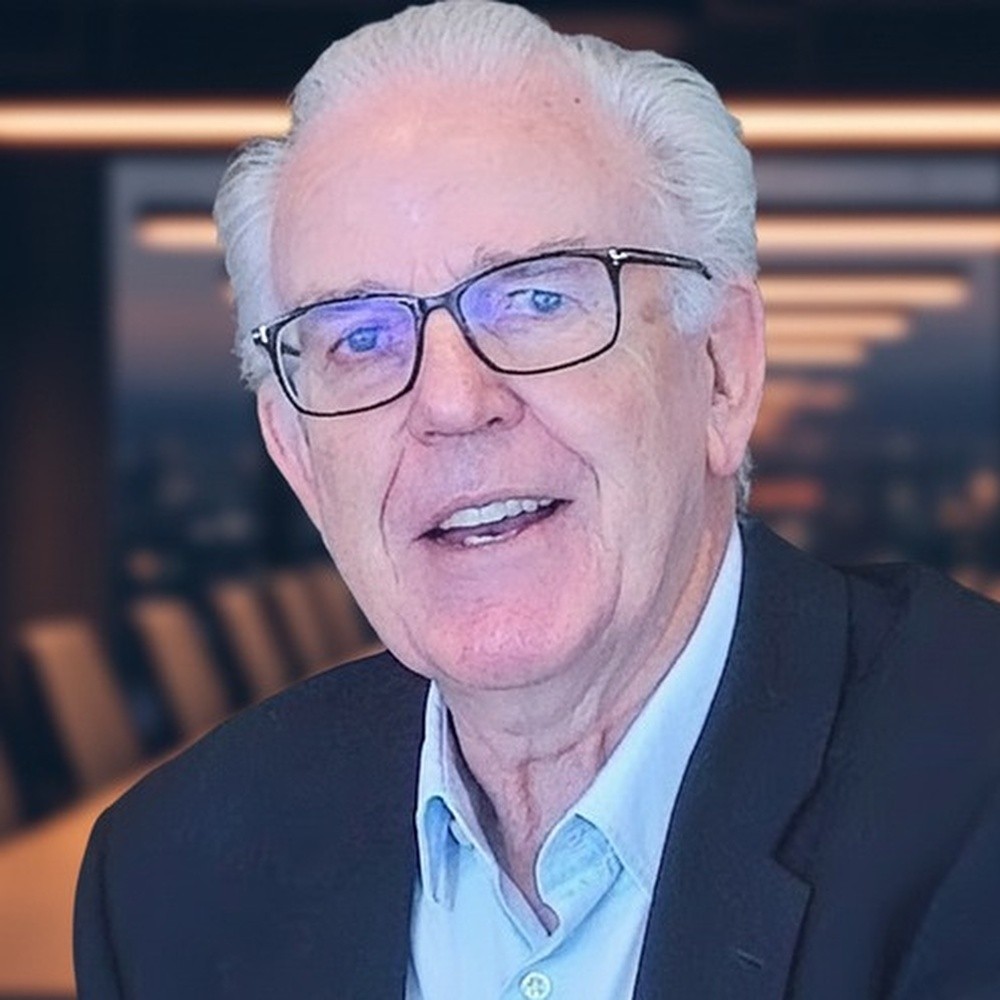
Max Lloyd Jones, business transformation and governance executive.

Max Lloyd Jones

Chief Executive, Catalyst | Co-Founder and Director, AIAA

A senior business transformation, governance and operational executive. A former DuPont executive, he has delivered strategic and performance outcomes for major organisations across resources, energy, infrastructure and industrial sectors.

Committee contribution: Board and employer perspectives, governance, organisational capability, change leadership and a focus on measurable business outcomes.

Why the Committee's composition matters

Academic leaders bring deep knowledge of AI capability, data, visualisation, emerging research, limitations and risk. Business leaders bring practical experience in strategy, governance, organisational change, implementation, workforce impact and measurable outcomes. Together, they help ensure that AIAA credentials remain current, rigorous and relevant to real organisations.

A framework that evolves with AI

Through the Committee's stewardship, AIAA's Accreditation and Certification Framework will continue to evolve alongside AI technology, responsible-use practices, regulation and organisational needs. The objective is clear: professional recognition that employers, members and stakeholders can understand and trust — grounded in responsible practice, credible evidence and demonstrated AI-adoption capability.